
Unlock 3D Motion Design: A Step-by-Step Guide to Fintech Brand Narratives
In an era where digital transformation is reshaping the financial landscape, the importance of compelling visual storytelling cannot be overstated. 3D motion...
In an era where digital transformation is reshaping the financial landscape, the importance of compelling visual storytelling cannot be overstated. 3D motion design has emerged as a powerful tool for fintech brands to articulate complex narratives, engage users, and build lasting relationships. Historically, the financial services industry has grappled with perceptions of being dry and overly technical. However, as consumer expectations evolve, brands must leverage innovative design techniques to capture attention and communicate value effectively. Now more than ever, the melding of finance and technology demands a fresh approach to storytelling.
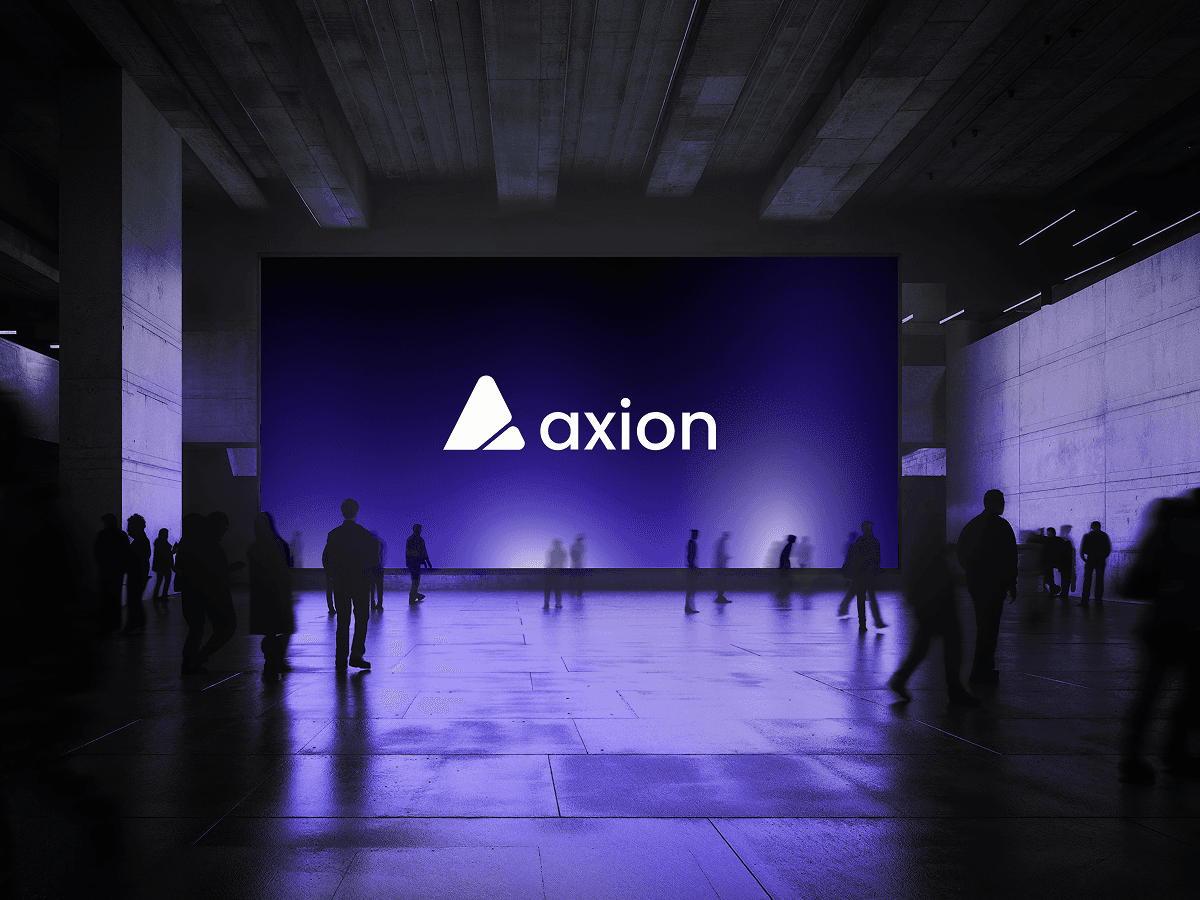
At Axion Agency, we've worked with numerous crypto and AI startups, and we've seen firsthand how effective 3D motion design can transform brand narratives into immersive experiences. This article will explore how to animate brand narratives through a step-by-step guide to 3D motion design specifically tailored for fintech. We'll cover the fundamentals of motion design, the process of creating engaging animations, best practices for fintech storytelling, and real-world examples that demonstrate the effectiveness of these techniques.
The Importance of 3D Motion Design in Fintech
As we dive into the world of 3D motion design, understanding its significance is crucial. The fintech sector is characterized by rapid innovation, increasing competition, and the urgent need to communicate complex ideas simply and effectively. Here’s why 3D motion design is pivotal:
Enhanced Engagement
Motion design captures attention more effectively than static imagery. When potential clients see dynamic visuals, they are more likely to engage with the content. According to a study by HubSpot, videos on landing pages can increase conversion rates by up to 86%. Incorporating 3D elements further enhances this engagement by providing depth and interactivity.
Complex Concepts Simplified
Fintech often involves intricate concepts such as blockchain technology, investment strategies, and cybersecurity. 3D motion design can simplify these ideas through visual metaphors and animations. For instance, representing a blockchain as interconnected blocks moving smoothly can make the concept more digestible for the audience.
Brand Differentiation
With the fintech space becoming increasingly crowded, standing out is imperative. Brands that utilize 3D motion design create a distinct identity that resonates with their target audience. This differentiation can translate to user loyalty and trust, which are particularly valuable in financial services.
• Enhanced user engagement
• Simplified complex narratives
• Increased brand awareness
• Higher conversion rates
Understanding the Fundamentals of 3D Motion Design
Before embarking on a motion design project, it's essential to understand the foundational elements that make up effective 3D animations. Here’s a breakdown of key concepts:
Principles of Animation
Understanding the 12 principles of animation, established by Disney animators, is crucial for creating compelling motion graphics. These principles include:
• Squash and Stretch
• Anticipation
• Staging
• Straight Ahead Action and Pose to Pose
• Follow Through and Overlapping Action
• Slow In and Slow Out
• Arc
• Secondary Action
• Timing
• Exaggeration
• Solid Drawing
• Appeal
Implementing these principles can add life and realism to your animations, making them more relatable to viewers.
Tools and Software
Several tools can be employed to create 3D motion designs effectively. Some of the most popular software includes:
• Adobe After Effects
• Cinema 4D
• Blender
• Autodesk Maya
• Unity
Investing time to learn these tools can significantly enhance your design capabilities and streamline the animation process.
Collaboration with Designers and Developers
Creating 3D motion designs is rarely a solo endeavor. Collaboration between designers, developers, and marketers is essential for successful projects. Each party brings unique insights that can improve the overall outcome.
At Axion Agency, we prioritize this collaborative approach, ensuring that all stakeholders are engaged from the start. This alignment leads to more cohesive storytelling and better brand representation.
Crafting a Compelling Brand Narrative
Once you’ve grasped the fundamentals, it’s time to focus on crafting a narrative that resonates with your audience. A strong brand narrative is crucial in fintech, where trust and relatability are paramount. Here’s how to create one:
Defining Your Brand’s Mission
Your brand narrative should start with a clear understanding of your mission. Ask yourself:
• What problem does my brand solve?
• Who are my target customers?
• How does my solution differ from competitors?
For instance, if your fintech startup focuses on simplifying personal finance, your narrative may center around empowerment through knowledge and accessibility.
Identifying Your Audience
Knowing your audience is pivotal for tailoring your narrative. Conducting market research helps in understanding their needs, preferences, and pain points. Consider creating audience personas that encapsulate different customer segments within the fintech landscape.
Building Emotional Connections
Engaging narratives evoke emotions. Incorporate storytelling elements that your audience can relate to. This could be through user testimonials or case studies showcasing how your services have positively impacted clients.
For example, a fintech company might share a story of a user who overcame financial struggles with the help of its budgeting app. This not only humanizes the brand but also builds trust.
The Process of Creating 3D Motion Design
Creating effective 3D motion design is an iterative process that involves several key steps. Understanding this workflow can help streamline your projects:
1. Concept Development
Start by brainstorming concepts that align with your brand narrative. This phase may involve sketching ideas and storyboarding to visualize the flow of your animation. Ensure that the concept resonates with your mission and audience.
2. Design and Modeling
After finalizing the concept, move on to designing and modeling your 3D assets. This step requires proficiency in your chosen software (like Blender or Cinema 4D) to create visually appealing elements. Keep in mind the importance of style consistency throughout your designs.
3. Animation
Begin animating your scenes based on the storyboard. Focus on smooth transitions and motion that aligns with your narrative. Utilize the principles of animation to create a more dynamic and engaging final product.
4. Rendering and Post-Production
Once the animation is complete, move on to rendering. This process can be resource-intensive and may take time depending on the complexity of your scenes. After rendering, engage in post-production to add effects, sound, and any necessary adjustments.
5. Testing and Feedback
Before launching your animation, conduct testing to gather feedback. This can involve showing the animation to stakeholders or a focus group to gauge their reactions. Use this feedback to make any necessary adjustments to enhance clarity and engagement.
Best Practices for Fintech Storytelling with 3D Motion Design
When employing 3D motion design in fintech storytelling, some best practices can enhance effectiveness:
Keep It Simple
Avoid overwhelming your audience with overly complex animations. Strive for clarity in your messaging and visuals. Stick to core concepts that can be easily understood within a few seconds of viewing.
Focus on User Experience
3D animations should not only look good but also offer a seamless user experience. Ensure that your animations do not distract from the primary message. Consider mobile optimization, as many users will engage with content on smaller screens.
Consistency is Key
Maintain a consistent visual style that aligns with your brand identity. This includes color schemes, typography, and design aesthetics. Consistency fosters trust and recognition, essential elements for fintech brands.
• Simplify complex concepts
• Enhance user experience
• Maintain visual consistency
• Incorporate feedback for improvement
Case Study: A Successful Fintech Animation
To illustrate the impact of 3D motion design in fintech, let's take a closer look at a successful project completed by our team at Axion Agency. One of our clients, a blockchain-based payment solution, approached us with a challenge: they needed a way to explain their unique offering to a diverse audience.
We developed a 3D animated explainer video showcasing how their technology simplifies transactions. The animation highlighted key features such as security, speed, and ease of use through engaging visuals that demystified blockchain technology.
After launching the animation, the client reported a 120% increase in website engagement and a 35% rise in conversion rates within the first three months. The animation not only improved understanding but also instilled confidence in the brand, leading to increased user registrations.
Measuring the Impact of Your 3D Motion Design
Understanding the effectiveness of your 3D motion design project is essential for continuous improvement. Here are some key metrics to consider:
Engagement Rates
Monitor how well your audience engages with the content. Tools like Google Analytics can provide insights into how long users spend on the page where the animation is featured and whether they interact with the content.
Conversion Rates
Track conversion rates before and after implementing your animation. This can help you gauge the effectiveness of your storytelling and whether it translates into action from your audience.
Social Media Metrics
If your animation is shared on social media, track likes, shares, and comments to assess its reach and impact. Engaging content often generates organic shares, expanding your audience reach.
• Engagement rates
• Conversion metrics
• Social media interactions
• User feedback and surveys
Conclusion: The Future of 3D Motion Design in Fintech
As we've explored throughout this guide, 3D motion design is an incredibly powerful tool for animating brand narratives in the fintech sector. By understanding the fundamental principles, crafting compelling stories, and employing best practices, brands can significantly enhance their engagement and conversion rates. The future of fintech storytelling lies in the ability to communicate complex ideas through visually captivating narratives.
For those looking to implement these strategies, remember the importance of collaboration and continuous improvement. Don’t hesitate to test new ideas, gather feedback, and iterate on your designs. At Axion Agency, we specialize in guiding fintech brands through this journey, ensuring that their stories are not only told but resonate powerfully with their audiences.
If you’re building a fintech solution and looking to animate your brand narratives, Axion Agency offers expert design services including branding, UI/UX, motion design, 3D visualization, and advertising creatives for crypto, AI, and fintech companies. Visit to learn more about how we can help your business grow.