
How to Craft a Visual Language for DeFi That Boosts User Engagement
In the rapidly evolving world of decentralized finance (DeFi), distinguishing one's brand has never been more critical. The DeFi landscape, characterized by...
In the rapidly evolving world of decentralized finance (DeFi), distinguishing one's brand has never been more critical. The DeFi landscape, characterized by innovation and disruption, has attracted countless startups vying for user attention. However, as market saturation increases, standing out requires more than just a robust product; it necessitates a compelling visual language that resonates with users. At , we've worked with numerous crypto and AI startups, and we've seen firsthand how powerful branding and design can elevate user engagement. In this article, we will explore how to craft a visual language for DeFi that not only captures attention but also fosters trust and loyalty among users. You will learn the essential strategies for creating a brand identity that resonates, examples of successful projects, and actionable tips to implement in your own branding efforts.
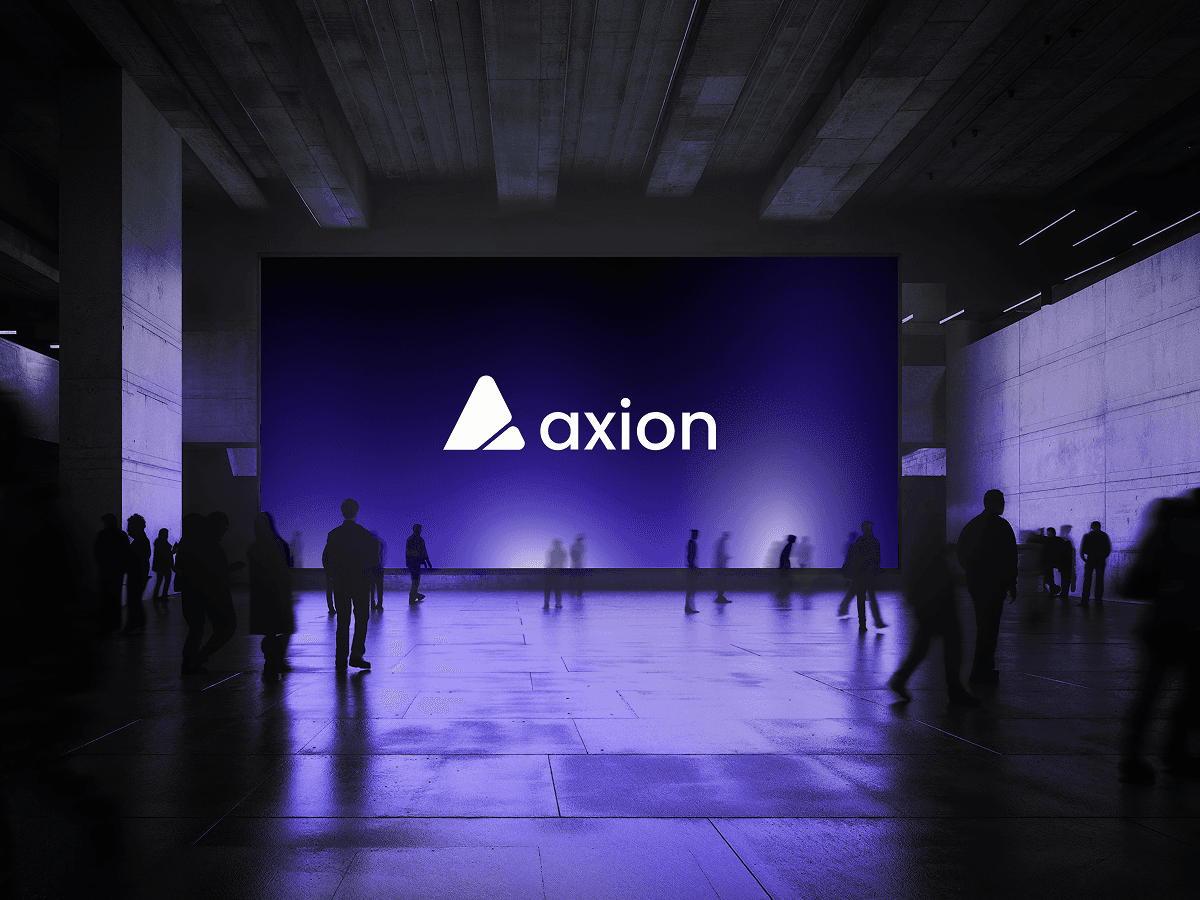
Understanding the Role of Visual Language in DeFi
Visual language encompasses the colors, shapes, typography, and overall design aesthetic used to convey a brand's message. In the context of DeFi, a strong visual language is vital for several reasons:
• Brand Recognition: A unique visual identity helps users identify your platform quickly amidst numerous competitors.
• User Trust: High-quality design conveys professionalism and reliability, essential in the financial sector.
• Emotional Connection: Effective visuals can evoke emotions, helping users connect with a brand on a deeper level.
• Information Delivery: Good design enhances usability, making complex information more digestible.
As DeFi continues to gain traction, the need for a well-defined visual language grows increasingly important. Brands that prioritize their visual identity are more likely to capture user interest and improve retention rates. But how does one go about establishing such a language?
Components of a Strong Visual Language
A robust visual language consists of several key components, each playing a vital role in establishing a cohesive brand identity. Let’s delve into these elements:
Color Palette
The colors you choose can significantly impact user perception and behavior. Colors evoke emotions and can reinforce brand values. Here are some tips for selecting a color palette:
• Understand Color Psychology: For example, blue is often associated with trust and security, making it a popular choice in finance.
• Limit Your Palette: Stick to 3-5 main colors to maintain coherence throughout your branding.
• Consider Accessibility: Ensure that color contrasts are adequate for readability.
• Test Variations: A/B testing different color schemes can reveal what resonates best with users.
Typography
Typography is another critical aspect of visual language. The fonts you choose should be legible and align with your brand's personality. Consider the following:
• Hierarchy Matters: Use different font sizes and weights to create a visual hierarchy that guides users.
• Limit Font Types: Stick to 2-3 font families to maintain consistency.
• Brand Alignment: Choose fonts that reflect the tone of your brand, whether it's modern, traditional, or playful.
Imagery and Icons
The use of imagery and icons can significantly enhance your visual language. Icons should be intuitive and support navigation, while images can help tell your brand story. Here are best practices:
• Consistency is Key: Use a consistent style for icons and images to enhance the visual flow.
• Quality over Quantity: Choose high-quality images that align with your brand's message.
• Use Custom Illustrations: Customized graphics can make your brand stand out more than stock images.
Creating a User-Centric Design
In DeFi, user experience (UX) is paramount. A visually appealing interface must also be functional and user-friendly. Here’s how to incorporate user-centric design principles:
User Research
Understanding your target audience is the first step toward creating a user-centric design. Conduct surveys, interviews, and usability testing to gather insights. Key points include:
• Identify User Needs: What are users' primary concerns when engaging with DeFi products?
• Gather Feedback: Regularly collect user feedback to refine your design.
• Analyze Competitors: Study competitor platforms to identify strengths and weaknesses in their design.
Information Architecture
Information architecture refers to how information is structured and organized. A clear information architecture enhances usability:
• Simplicity is Essential: Avoid clutter. Ensure that users can navigate your platform intuitively.
• Test Navigation: Conduct usability tests to ensure users can find information quickly.
• Use Visual Cues: Employ arrows, icons, or color changes to guide users through processes.
Interactive Elements
Interactive elements can significantly enhance user engagement. Consider implementing the following:
• Microinteractions: Small animations or responses that occur when users interact with elements can enhance user experience.
• Gamification: Incorporating game-like elements can improve user engagement and retention.
• Personalization: Allow users to customize their experience based on their preferences.
Case Study: Successful DeFi Branding
To illustrate the importance of visual language in DeFi, let’s examine a successful case study from our portfolio at . One of our clients, a DeFi lending platform, approached us to help create a visual identity that would resonate with both novice and experienced investors.
Our process began with comprehensive user research, which revealed that potential users were primarily concerned about security and ease of use. Based on these insights, we developed a branding strategy that included:
• Color Palette: We chose a calming blue-green palette to convey trust.
• Typography: A clean sans-serif font was selected for its modern and approachable look.
• Imagery: Custom illustrations depicted real-world scenarios, helping users visualize the platform’s benefits.
As a result of our branding efforts, the client saw a 40% increase in user registrations within three months and a 25% boost in overall user engagement. This case exemplifies how a thoughtful approach to visual language can yield tangible results.
Designing for Trust and Transparency
In the financial sector, especially in DeFi, trust is an invaluable currency. Your visual language must communicate transparency and credibility. Here are strategies to achieve this:
Clear Communication
Your brand should communicate clearly and transparently. This can be achieved through:
• Easy-to-Understand Language: Avoid jargon; use simple language that users can easily comprehend.
• Clear Messaging: Ensure that the value proposition is immediately visible and understandable.
• Accessible Information: Provide users with easy access to educational resources and documentation.
Consistent Branding Across Touchpoints
Consistency in branding across all touchpoints fosters trust. Consider these aspects:
• Social Media: Maintain consistent visuals and messaging across platforms.
• Customer Support: Ensure that the tone and style of communication are consistent in all interactions.
• Marketing Materials: All promotional content should reflect your established visual language and messaging.
Security Features
Visually communicating security features can enhance user trust. Implement the following:
• Security Badges: Display security certifications prominently on your site.
• Trust Signals: Use testimonials and case studies to show how your platform has successfully helped users.
• Transparent Processes: Clearly outline security protocols in a visually engaging manner.
Leveraging Storytelling in Your Visual Language
Storytelling is a powerful tool in branding, helping to create an emotional connection with users. Here’s how to leverage storytelling:
Brand Narrative
Your brand should have a compelling story that resonates with users. Consider these elements:
• Origin Story: Share the inspiration behind your platform and its mission.
• User Stories: Highlight real-life examples of how your platform has helped users achieve their financial goals.
• Visual Storytelling: Use visuals to narrate your brand's journey and values.
Content Strategy
A well-defined content strategy can amplify your brand narrative:
• Regular Updates: Keep users informed about new features and developments through engaging content.
• Educational Content: Provide informative resources that educate users about DeFi and your platform.
• Community Engagement: Involve users in discussions and feedback loops to foster a sense of community.
Visual Consistency in Storytelling
Consistency in visuals during storytelling reinforces your brand identity:
• Imagery: Use a consistent style and tone in all visuals.
• Color Schemes: Maintain your color palette to ensure brand recognition.
• Typography: Stick to your established typographic choices across all materials.
Emerging Trends in DeFi Branding
The DeFi landscape is continuously evolving, and staying ahead of branding trends can give your project a competitive edge. Here are some emerging trends to watch:
Minimalism
Minimalist design is gaining traction in DeFi branding. This approach emphasizes simplicity, focusing on essential elements and clear messaging. Key points include:
• Clarity Over Clutter: Designs that prioritize clarity can enhance user experience.
• Faster Load Times: Minimalist designs often lead to faster website performance.
• User-Centric Design: Less clutter can enhance usability and satisfaction.
Dynamic Branding
Dynamic branding involves adapting your brand identity across different platforms and contexts. This could mean:
• Responsive Design: Ensuring your platform looks good on mobile, desktop, and tablets.
• Adaptive Messaging: Adjusting your messaging based on the audience and platform.
• Interactive Elements: Incorporating dynamic visuals that respond to user interactions.
Community-Driven Design
Community involvement in branding is becoming increasingly popular in DeFi. Engaging your audience can lead to more effective branding:
• Feedback Loops: Regularly soliciting feedback from users can guide design decisions.
• Co-Creation: Involve users in the design process, allowing them to contribute ideas or designs.
• User-Generated Content: Encourage users to share their experiences through visuals and stories.
Conclusion
Creating a visual language for DeFi is not just about aesthetics; it’s about building trust, enhancing user experience, and fostering long-lasting connections with your audience. Throughout this article, we explored the essential components of a strong visual language, the importance of user-centric design, and how storytelling can amplify your brand message. Additionally, we highlighted how transparency and community involvement can further enhance user engagement.
To summarize the key points:
• Establish a compelling visual identity through a well-thought-out color palette, typography, and imagery.
• Prioritize user experience by focusing on clear communication, effective information architecture, and interactive elements.
• Build trust through consistent branding, transparency, and security features.
• Leverage storytelling to create emotional connections with users.
• Stay informed about emerging trends in DeFi branding to maintain a competitive edge.
If you're building a brand in the DeFi space, we encourage you to take action and implement these strategies. At , we specialize in helping startups craft compelling visual identities that resonate with users. Our team is equipped with the skills necessary to elevate your brand, from UI/UX design to motion graphics and more.
As the DeFi landscape continues to evolve, those who invest in a strong visual language will undoubtedly reap the rewards of enhanced user engagement and loyalty. The journey may be complex, but with a strategic approach to branding, your DeFi project can thrive in this competitive market.